PSP lock-in limits flexibility
When sellers are onboarded directly to an acquirer, switching PSPs means re-onboarding your entire seller base. You lose negotiating leverage, can't test alternative providers, and can't expand without rebuilding.
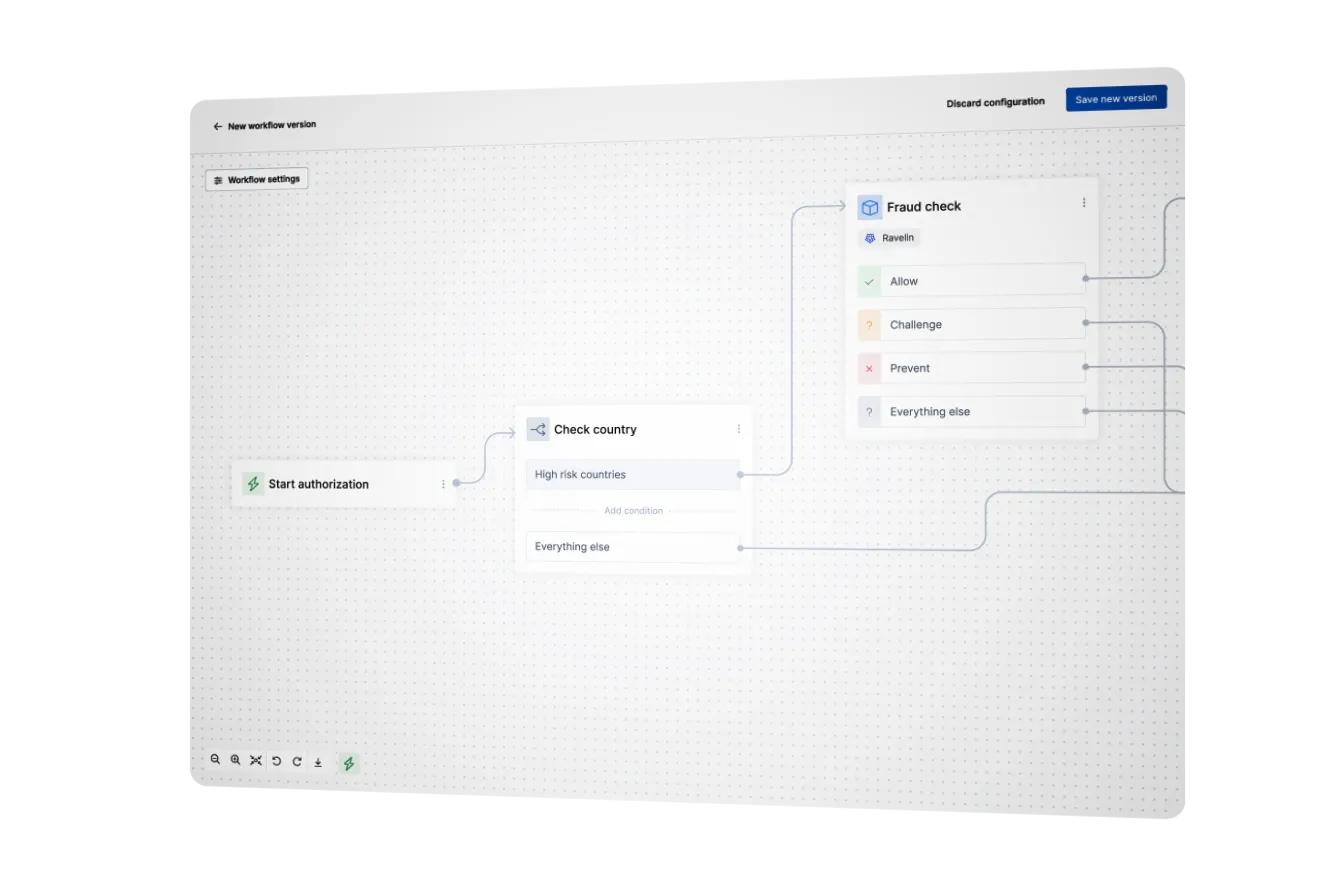
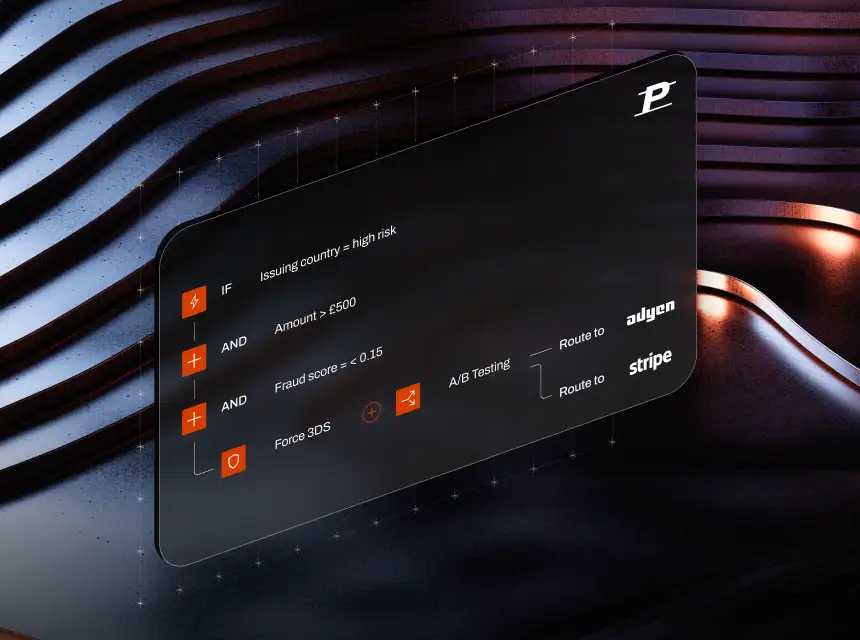
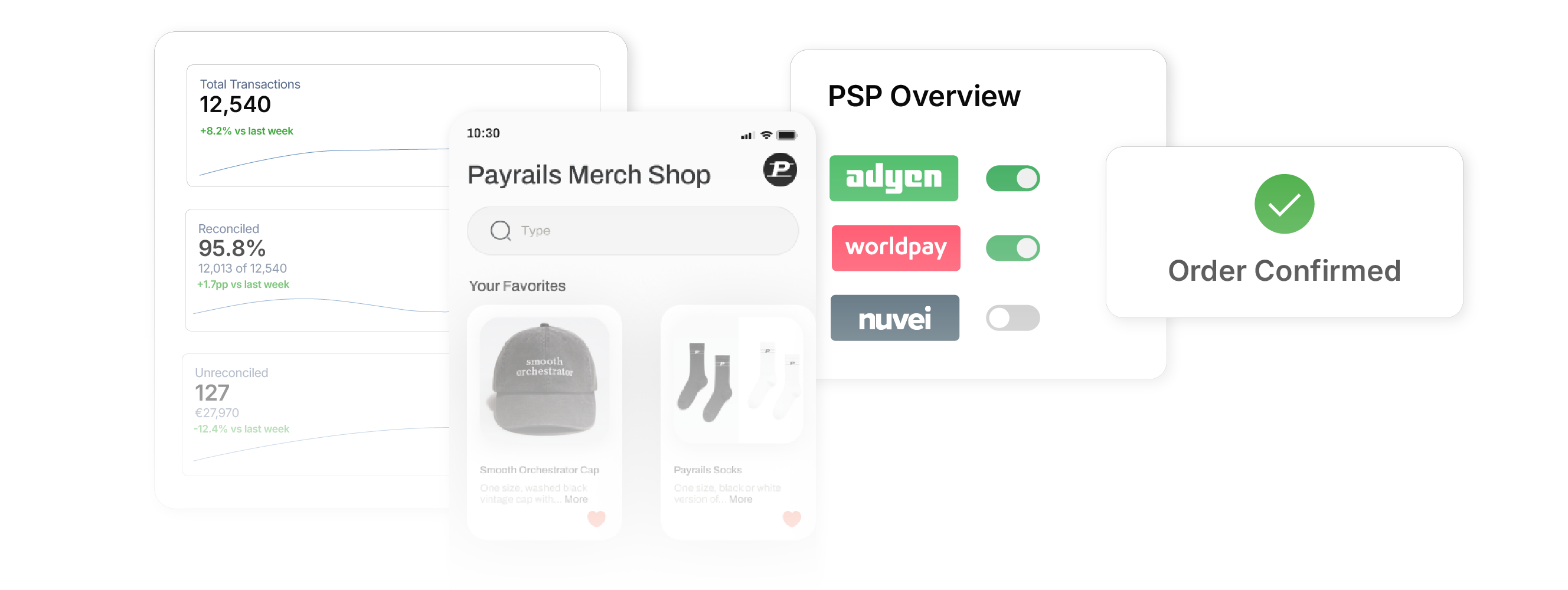
Decouple seller onboarding from payment processing. Payrails gives marketplaces the flexibility to route funds across multiple PSPs, run compliant payouts, and reconcile transactions across every market from one platform.













Collecting payments from buyers and distributing funds to sellers introduces licensing requirements, compliance obligations, and higher operational costs.
When sellers are onboarded directly to an acquirer, switching PSPs means re-onboarding your entire seller base. You lose negotiating leverage, can't test alternative providers, and can't expand without rebuilding.
Most PSPs charge on GMV, not on what the marketplace earns. A 1% fee on €100 GMV when your take rate is 10% means you're effectively paying 10% of your own revenue to process payments.
Expanding internationally means navigating local regulations and compliance while managing identity verification, currency conversion, and payouts across jurisdictions.
Every transaction touches multiple flows: buyer payment, seller disbursement, platform commission, FX, and taxes. Without a unified layer, finance teams reconcile it all manually, increasing error rates.
Payrails separates payment processing from seller management, giving marketplaces the flexibility to operate across providers, partners, and markets from one platform.
Grow smarter with AI-native payment optimization. Get a walkthrough tailored to your business, markets, and stack.
Marketplace platforms require infrastructure that supports buyer payments, seller onboarding, compliant payouts, and revenue split reporting. Because marketplaces handle regulated money movement, their payment stack must also support KYC/KYB verification, multi-PSP routing, and reconciliation across providers.